
What truly distinguishes a purchase from a luxury brand as an unforgettable experience? It's not just the product's superior quality, craftsmanship, or price. To me, it's the entire experience that captivates.
Imagine stepping into a luxurious store, met with warm smiles and sophisticated associates. Their deep knowledge of the products, the enthralling history of the brand, the invitation to indulge — and, as you await your purchase from the backroom, the elegant offer: "Would you care for some champagne while you wait?" In those moments you're treated like royalty; the world seems to pause, with you at its center. That, in my eyes, is the essence of luxury shopping — an enchanting interlude that leaves a lasting impression.
What if those wonderfully curated, tangible experiences suddenly vanished, forcing us into a purely online existence? That isn't hypothetical — it's the story of the COVID-19 pandemic. Overnight, retailers had to pivot from familiar in-person selling to the unfamiliar world of e-commerce.
Large luxury retailers, even with established platforms, faced a formidable challenge: not only to maintain sales but to elevate merchandise fulfillment to an unprecedented level. In the post-pandemic world, some still struggle to find the magical recipe that delivers a memorable experience — the allure once fueled by physical, human-centric interactions now absent.
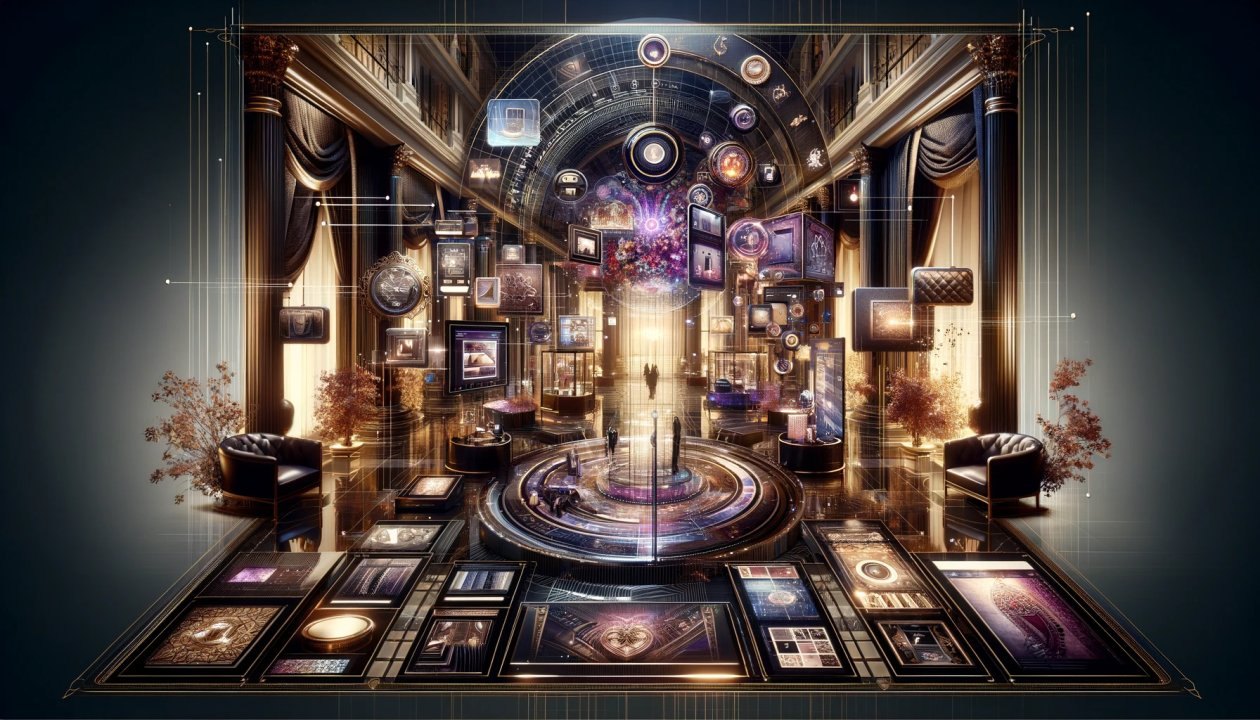
Across years of leading digital transformation for brands from B2C to B2B, two elements always stand out: innovation and technology — particularly technology's role in changing behavior. To translate the enchantment of a luxury brand's physical presence online, you need a harmonious mix of cutting-edge technology, bespoke service, and meticulous attention to detail. Here's a roadmap:
- Immersive website design. The online store must be a virtual embodiment of the brand — sophisticated, user-friendly design mirroring its style and ethos, with high-resolution imagery, interactive 3D product models, and virtual tours of brick-and-mortar outlets.
- Personalized shopping journey. Digital customers should receive the same recognition they'd get in store — tailored product suggestions, browsing customized to individual preferences and past interactions, wish lists, and saved items.
- Virtual consultations and real-time assistance. Live chat or video consultations with knowledgeable associates or stylists replicate in-store expertise — product recommendations, fashion advice, even virtual showcases of new collections.
- Exclusive online events. Emulate private in-store happenings digitally — streamed product unveilings, virtual fashion shows, and interactive discussions with designers.
- Luxury packaging and delivery. The unboxing moment is pivotal. Orders should arrive in lavish packaging that echoes the in-store experience, with quick, secure, stylishly presented delivery.
- Premier customer service. Effortless returns, prompt support, and concierge-style service for any query or special need.
- Compelling content and storytelling. Convey the brand's narrative, heritage, and craftsmanship through video, blogs, and interviews with artisans.
- Exclusive online perks. Offer online-only items or early access to new collections, and loyalty programs that reward online shopping.
- Mobile optimization. With many luxury consumers on mobile, the experience must be seamless and fully adapted for mobile.
- Feedback and community building. Encourage feedback and nurture a communal spirit — forums for customers to share experiences, reviews, and enjoyment.
By meticulously integrating these components, a luxury brand can forge an online experience that mirrors the elegance and exclusivity of its physical outlets — while capitalizing on digital to heighten engagement and satisfaction.