
Removing Cookies From Your Diet
Finally removing cookies from your web diet.

Who's watching you? Right now, multiple third-party services are tracking your behavior across the web. Hundreds — even thousands — of third-party cookies are placed on your device daily via website visits and engagements, and this small piece of code is frequently used to create interest-based advertising.
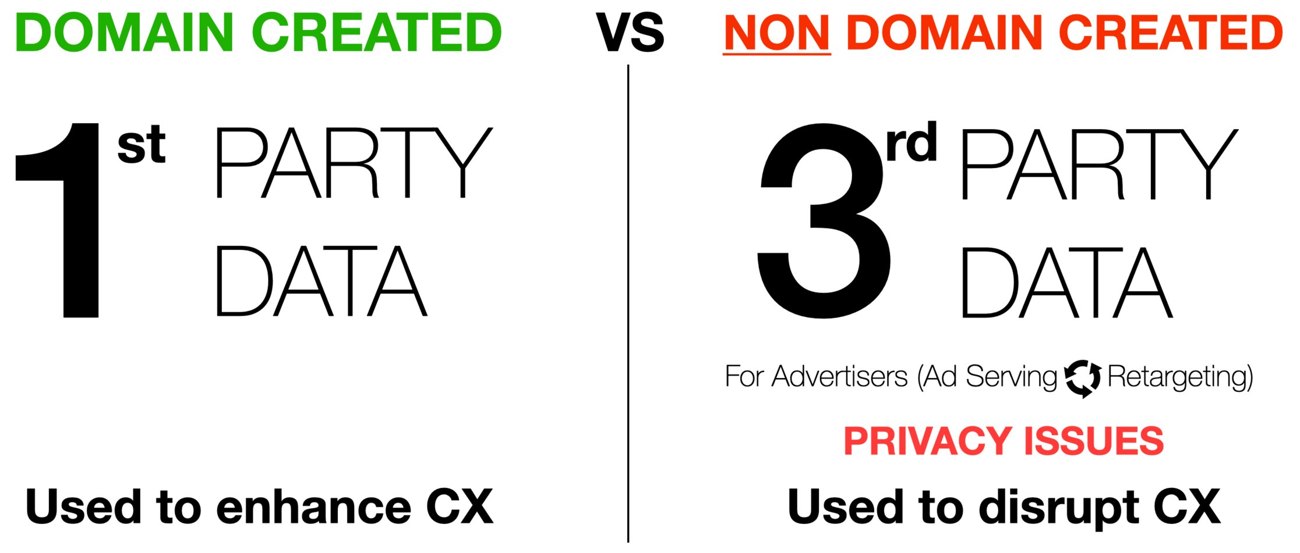
Third-party cookies — the non-domain-created kind — are on the chopping block. Finally.
As browsers continue to strengthen user privacy and security, third-party cookies are being blocked by default. Google, which had said it would phase out support in its browser by 2023, has signaled it could happen sooner — leaving publishers and advertisers scrambling for alternatives to keep monetizing content.
Third-party cookie data collects information about you without your knowledge or consent. That privacy infringement is conducted through intentional tracking — targeted advertising that requires aggregating large amounts of highly sensitive personal data.
Why are third-party cookies used at all? They're micro pieces of code placed on websites to collect data. They track your visits (slowing your browsing along the way) and gather personal, private information — fueling ongoing ethical debate. Third-party data cookies use large volumes of data from other sites (Google, Facebook, Pinterest, Amazon) to identify users and track behavior, often without their knowledge.
When you visit an online service, its content can come from many sources. A financial website "A" may pull content from sites "B" and "C," each independently owned, presenting ads relevant to what you viewed elsewhere. Targeting users this way often comes at the expense of capturing their information in ways that violate privacy — and it brings irrelevant ads and poorly designed banners you can't close fast enough.
With strict new regulations limiting the types and amount of data collected (rules vary by country), we must step back and rethink how we collect and leverage data for insight. Under the EU cookie law, for example, you choose whether to accept cookies; acceptance lets a site remember your preferences and login as you browse. But even with consent, those small personalization benefits aren't worth the risk of data being used with the wrong intentions.
Once third-party cookies are a thing of the past, we have an amazing opportunity to bring digital innovation and marketing together — focused on first-party data (domain-created) and consumer privacy, not AdTech. Do it the hard way, with first-party data. Stop chasing AdTech's vanishingly small return on ad spend, built primarily on repurposing first-party data into third-party marketing profiles.
It's time to reinvent old models, place our customers first, respect their privacy and information, and regain their trust with conversational marketing experiences.